The Empty Room That Taught Me About Connection
For 17 years, we lived in Chicago.
I built a career there. I started a family there. I raised babies there. I learned how to be an adult there, in the blunt, beautiful, exhausting way adulthood often teaches us: long hours, longer commutes, too much to carry, not quite enough money in the bank, and a calendar that looked full but somehow did not feel sustaining.
My marriage was strong. My work was satisfying. Our life was good in many ways.
And still, I was lonely.
Not lonely in the dramatic, abandoned-on-a-mountaintop sense. I had people around me. We had great neighbors. We had couple friends we liked and saw now and then. I had work colleagues, fellow parents, people I genuinely enjoyed.
But I did not have the kind of deep female friendship I ached for. I missed the easy camaraderie I had known with my college friends, the shorthand, the kinship, the sense of being known without having to explain the whole backstory every time. Those friends were scattered around the country, and I found myself longing for something I could not seem to build where I was.
I remember hearing the advice that if you want to have friends, you have to be a good friend. So, I tried.
I volunteered. I joined parent committees. I showed up in religious and civic spaces. I invited work colleagues to lunch. I looked for ways to offer generosity and kindness, hoping that if I kept extending myself, something would take root.
One moment from that time has stuck with me:
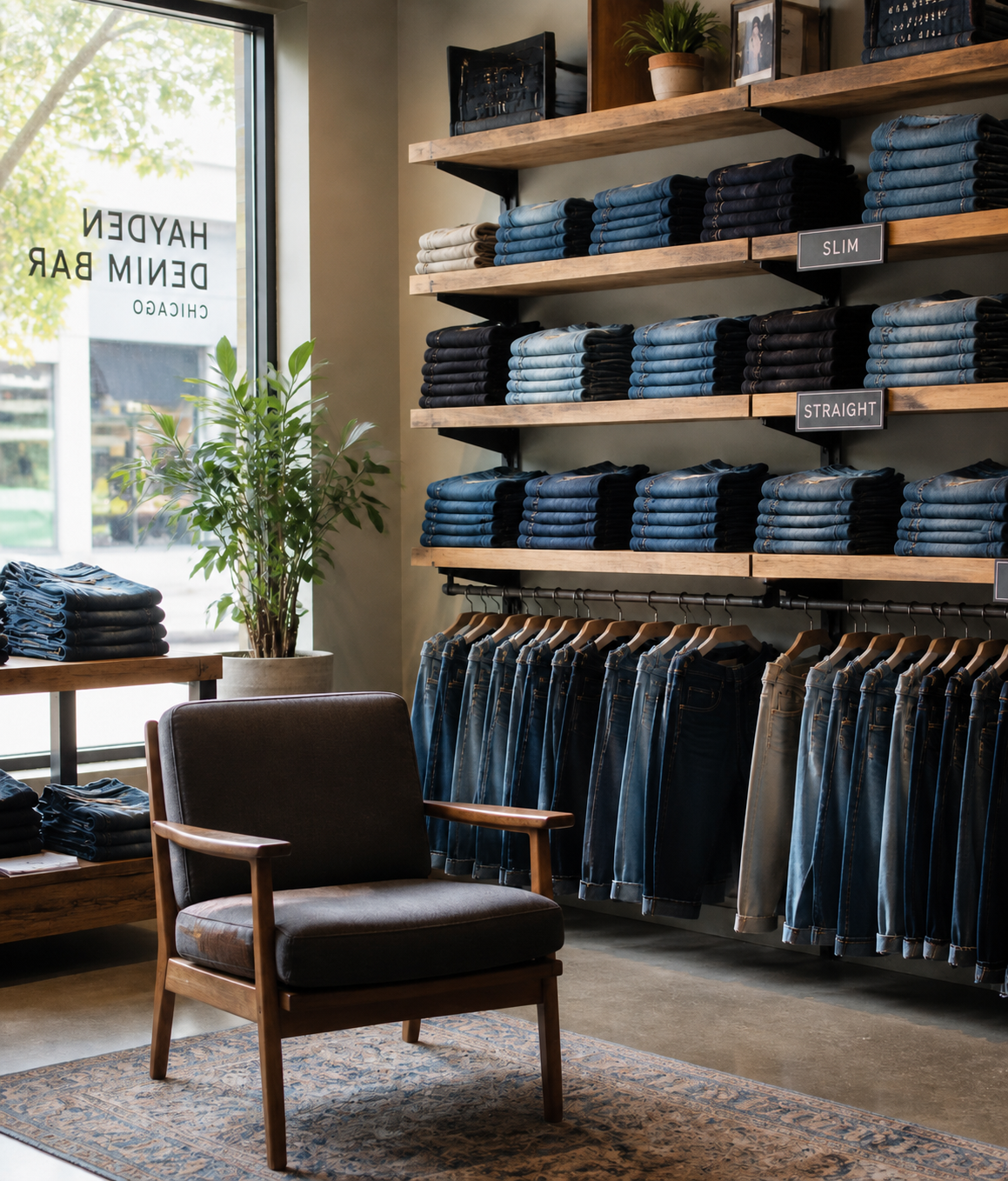
At a charity silent auction, I bid on – and won – a party for 20 at a denim bar. At the time, this was a new and lively concept: a place where you could go, get fitted for a great pair of jeans, have a little fun, maybe drink something bubbly, and leave feeling slightly more fabulous than when you walked in.
I thought it would be a perfect way to gather a group of women.
So, I invited women I knew and liked. I bought refreshments. I watched the responses come in through Evite. About 10 women said yes.
The night of the party, I set everything up and waited.
At the appointed hour, no one came.
Forty-five minutes passed.
Finally, one person walked in.
We laughed a little, tried on jeans, made our purchases and called it a night.
Then I went home and cried.
I did not cry because I felt embarrassed, though I did. I did not cry because people were cruel, because they were not. People are busy. They forget. They have sick kids and deadlines and traffic and lives with their own invisible weather systems.
I cried because the empty room told me something I already feared was true: I had not built the kind of relationships my soul needed.
For years, I thought about that night as a painful, slightly humiliating story about friendship.
But over time, I understood it differently.
The problem was not simply that I needed more friends. The problem was that I was looking for friendship as if it were one thing. One magical circle. One group that would offer belonging, fun, honesty, encouragement, accountability, perspective, challenge, and care.
What I really needed was not one perfect community.
I needed an ecosystem.
That realization became even clearer after I moved to Seattle, a city famous for the so-called Seattle Freeze. I braced myself for distance. Instead, in a relatively short period of time, I found myself surrounded by a richer, more nourishing web of relationships than I had experienced in all my years in Chicago.
Part of that was timing. Part of it was openness. Part of it was luck.
But part of it was that I had changed.
I was no longer waiting for friendship or support to appear fully formed. I had become more intentional about seeking different relationships for different purposes.
At the same time, I hired a coach. I joined a mastermind of women entrepreneurs. I built relationships that were not centered on our children or our spouses or our proximity, but on mutual curiosity, shared growth, and the willingness to tell each other the truth.
And slowly, I began to see the pattern.
Some relationships helped me feel known.
Some helped me think bigger.
Some challenged the stories I was telling myself.
Some opened doors.
Some reminded me to rest.
Some helped me sharpen my ideas.
Some held up a mirror.
Some held my hand.
None of these relationships had to be everything. Together, they became enough.
What This Taught Me About Mentoring
That insight changed how I think about mentoring, leadership, and growth too.
For years, we have treated mentoring as if it requires finding one wise person who will guide us. The mentor. The sage. The person with the answers. But that model is too narrow for the complexity of real life and real work.
No one person can be our challenger, sponsor, connector, truth-teller, strategist, encourager, role model, and safe harbor.
And when we expect one person to do all of that, we often end up disappointed. Or we do not ask at all, because the ask feels too big.
But when we begin to think in terms of a developmental network, everything changes.
The Power of a Developmental Network
A developmental network is the constellation of people who help us grow. It may include mentors, peers, sponsors, coaches, colleagues, friends, former bosses, clients, teachers, and people who see something in us before we fully see it ourselves.
It is not about collecting contacts or even about networking in the transactional sense.
It is about building the relationships that help us become more courageous, more discerning, more useful, and more fully ourselves.
That is the heart of my message now.
Growth does not happen in isolation. Better judgment does not develop in a vacuum. Impact does not come from rugged individualism, no matter how much our culture romanticizes it.
We grow through relationship.
We make better decisions when we have people who help us see what we cannot see alone.
We become braver when we have people who remind us of who we are becoming.
We create more impact when we stop waiting to be chosen, rescued, or discovered, and instead begin to design the network that helps us contribute at a higher level.
Looking back, I have compassion for the woman standing in that denim bar with her refreshments and her hopeful little Evite list.
She was not needy or foolish or failing.
She was seeking.
Hungry for the relationships that would help her feel more rooted, more supported, more alive.
I still believe in generosity. I still believe in being a good friend. But I no longer believe that support is something we should leave to chance.
We must be more intentional than that.
We can ask: Who helps me think? Who helps me tell the truth? Who helps me grow? Who helps me remember what matters? Who opens doors? Who challenges me with care? Who do I support in return?
This is not about being a joiner.
It is about being a seeker.
A learner.
A connector.
Most of all, it’s about being a designer of the relationships that make a bigger life, and a bigger contribution, possible.
For more information and resources, visit: www.centerformentoring.com or www.lisazfain.com
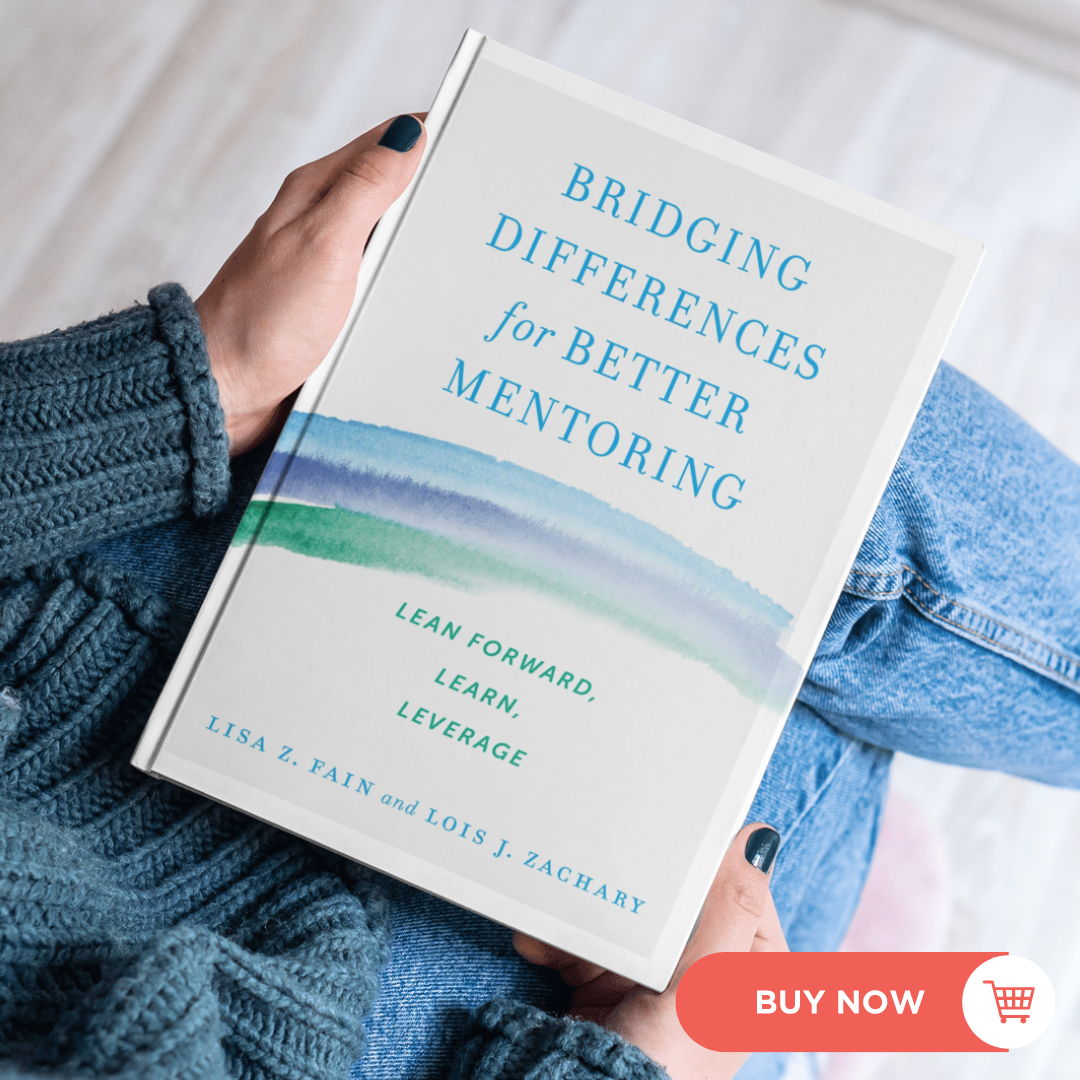
Now Available!
Mentoring Resources
MORE FROM OUR BLOG
Ikigai and Moai Principles Offer a Transformative Mentoring Approach
Written by: Angela McGuire | January 2024 Over the past year I have had the privilege of participating in the genesis of a Blues Zones city in the southeastern region of the United States. Blue Zones employs evidence-based solutions to help people live better and...
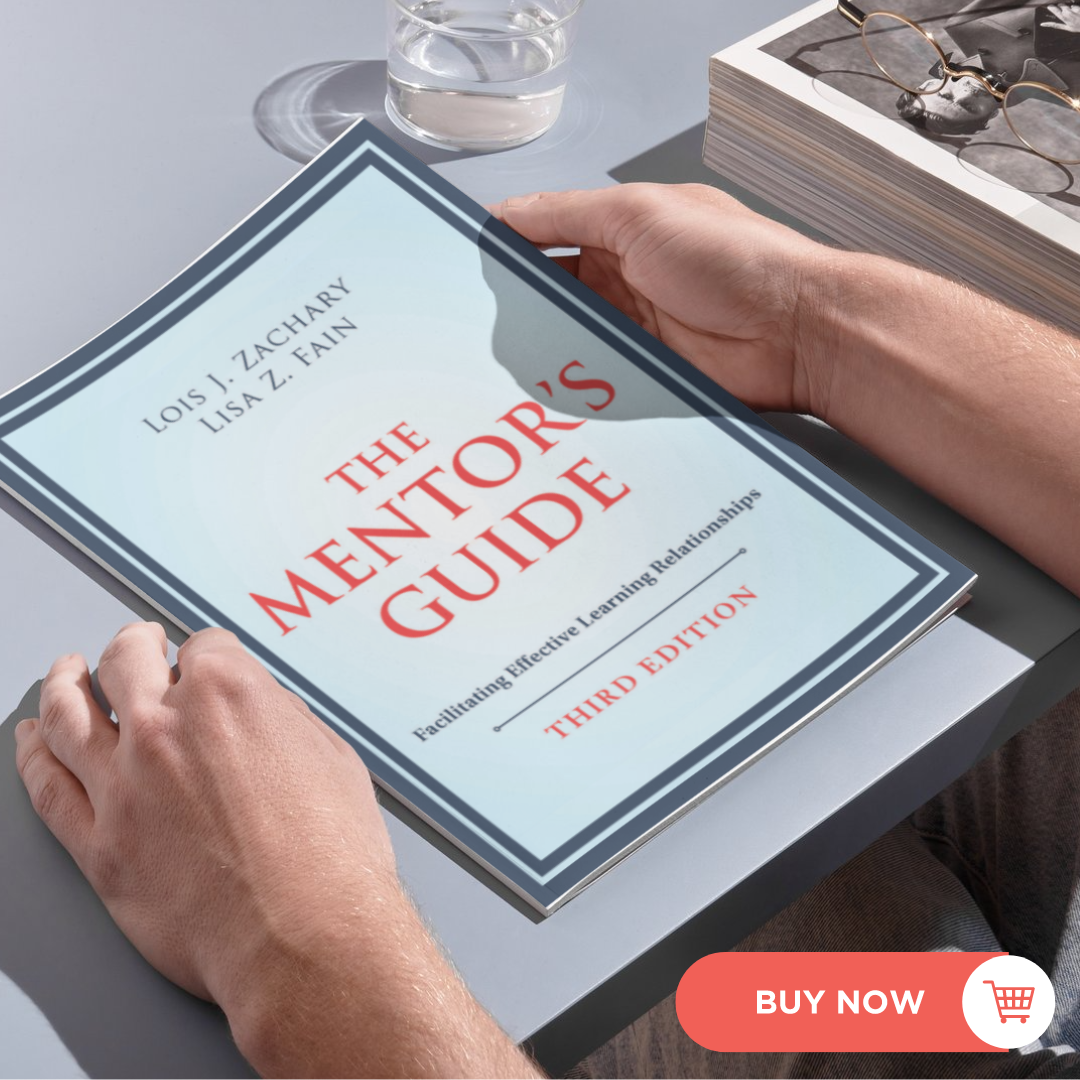
Top Ten Reasons to Buy The Mentor’s Guide, Third Edition
Major Changes to the 3rd Edition Major Changes to the Third Edition Since the first edition appeared in 2000, interest in and knowledge about adult learning and development has grown exponentially. We now recognize that adult learning is more than a cognitive process;...
WeMentor Podcast Mini-Series Pt. 3: A Rare Look Inside a Mother and Daughter’s Transition of Ownership
The Center for Mentoring Excellence has always been run by women passionate about mentoring. But did you know that CME is a family business? The third part of the WeMentor podcast mini-series features Dr. Lois Zachary and Lisa Fain. They discuss what worked for them...