Someday is Here

Co-authored with Lisa Z. Fain.

As horrific as these first weeks of the global pandemic have been and as alarming and worrisome as the months to come will be, shelter-in-place presents an unexpected opportunity. Most people have multiple items on their to-do list, things that they’ve postponed and re-postponed for “someday.”  The most common thing people save for “someday” is their own development.

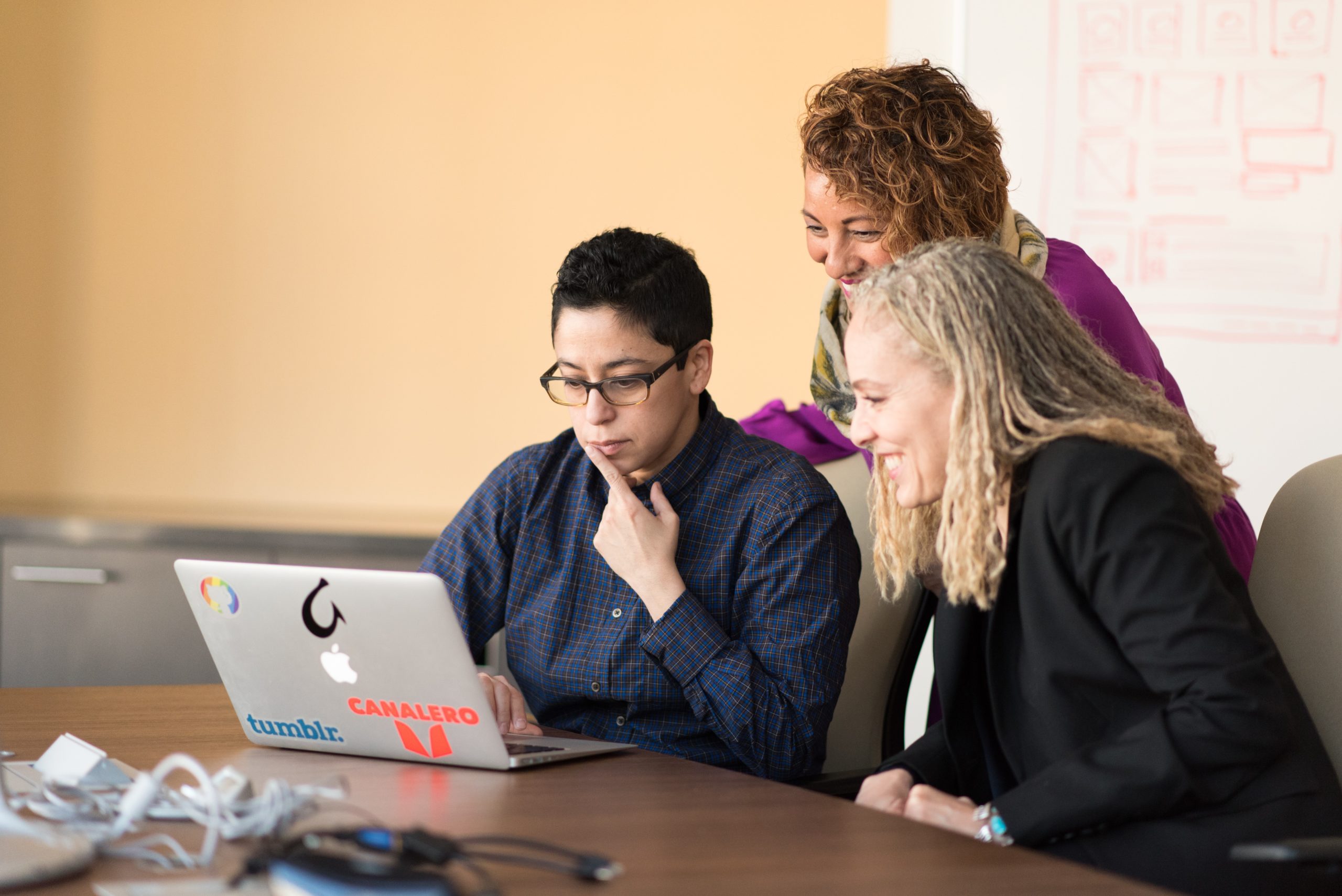
illustration of woman sitting at desk with laptop

“Someday” is here, right now. We are called to pay attention. We need to make the most of this time. Time has an odd way of melting away and we can’t control it but can take action so we do not squander it.

We are reminded about the importance of connection in this time. We are in a global crisis because of our interconnectedness, and yet, it is the crisis itself that requires us to physically distance ourselves from one another. It is connectedness itself that will get us through. 

We know that isolation and loneliness itself can be harmful to our health. One recent study even suggested that loneliness can shorten a person’s life by 15 years, the same amount as obesity or smoking. 

In addition to the loneliness that comes from being physically distant, people are concerned about their own financial health. There have been millions of layoffs and furloughs. People are questioning their future and worrying about how to feel financially, professionally and intellectually stable. This uncertainty begets worry, which causes us to lose perspective and often, to withdraw. And so, though it is crucial to physically distance ourselves, it is social connection – not social distancing – that we need.

As mentoring experts we speak with confidence when we say mentoring is needed now more than ever. Mentoring is about connection. It is about creating meaningful relationships in work and personal relationships where mentoring partners focus on growth and development. Mentoring drives authentic conversation and promotes meaningful, supportive and sustainable relationships.

There are, of course, other benefits as well.  Mentors say that through mentoring they gain knowledge about what is happening in other parts of their organization. Their perspectives are often challenged and then expanded as mentors get exposed to new ideas. They increase their own leadership competencies and find that they their individual interpersonal skills are enhanced. There are satisfaction and feel-good elements as well: satisfaction from seeing mentees develop and grow and good feelings from sharing their experience, expertise and wisdom.

For mentees, mentoring provides a welcome safety net, often reducing their stress levels. The pace of new learning increases for mentees. They gain self-confidence as their mentors create opportunities for them to test out new ideas and encourage them to try new things. Mentees feel supported as they explore career options, gain organizational knowledge and receive candid feedback.

Given these benefits, there is every reason to keep the learning and development platform moving forward. Our time in isolation provides opportunity to work on personal and professional development, self-improvement, increase capability and experience self-renewal. Rather than wait until someday, we must keep moving forward.

What better time to focus on growth and development? Many people now have time and tools like Zoom, FaceTime, GoToMeeting and Skype that make it easy to engage in virtual mentoring from home. 

We know that virtual mentoring works, and it is effective. The skepticism that surrounded its efficacy just a decade ago has all but disappeared. Users, too, have become more sophisticated and adept over time. Since the emergence of Covid-19, the urgency and ability to work and learn from home has increased exponentially.

Here are some things to keep in mind:

  1. Mentoring is a reciprocal learning relationship between two or more individuals, typically a mentor and mentee. It focuses on achievement of mutually defined development goals and outcomes.
  2. Effective mentoring functions as a partnership. How it is conducted is determined by the individuals involved. You get to write your own rules about accountability, confidentiality, boundaries, and the like.
  3. Good conversation is especially important in any mentoring relationship, but more so in virtual mentoring.
  4. Although technology has the advantage of simulating real-time interaction, it also has its challenges, not the least of which are technology glitches. Having a “Plan B” helps. If the only means for you to connect is your phone, don’t let perfect be the enemy of the good.  Use your phone connection and move forward.
  5. All mentoring depends on establishing and maintaining meaningful points of connection. This means taking the time to build relationship and trust before the actual work of mentoring begins.
  6. Mentoring requires time, and now that you have it be sure you block off a realistic amount of time—and then protect that time. Keep in mind that it takes time to get to know someone.

Remember Benjamin Franklin’s words,  “Lost time is never found again.”  Someday has only just begun.

Now is prime time for mentoring.  You could be lending your time and talent to support someone else. What knowledge and experience do you have that might support and strengthen someone else right now? Or, you could be working on your own growth and development. What knowledge and experience might take you to the next level? What are some of those things that you never had time to do that would nurture you, help you grow?

Once you’ve answered these questions, it is time to get work and find a mentoring partner.

  1. Decide what you want to learn.
  2. Acknowledge the reality of the present time. Many people are hurting or experiencing overwhelm.  Take the time to discuss how each of you is really.
  3. Invest time and effort to set the climate for learning – setting, space, lighting, connection.
  4. Set a regular contact schedule but be flexible. Whether it is kids, dogs or UPS deliveries, there are bound to be more distractions than normal.
  5. Check in on your relationship and evaluate your progress frequently to make sure the learning is meaningful.

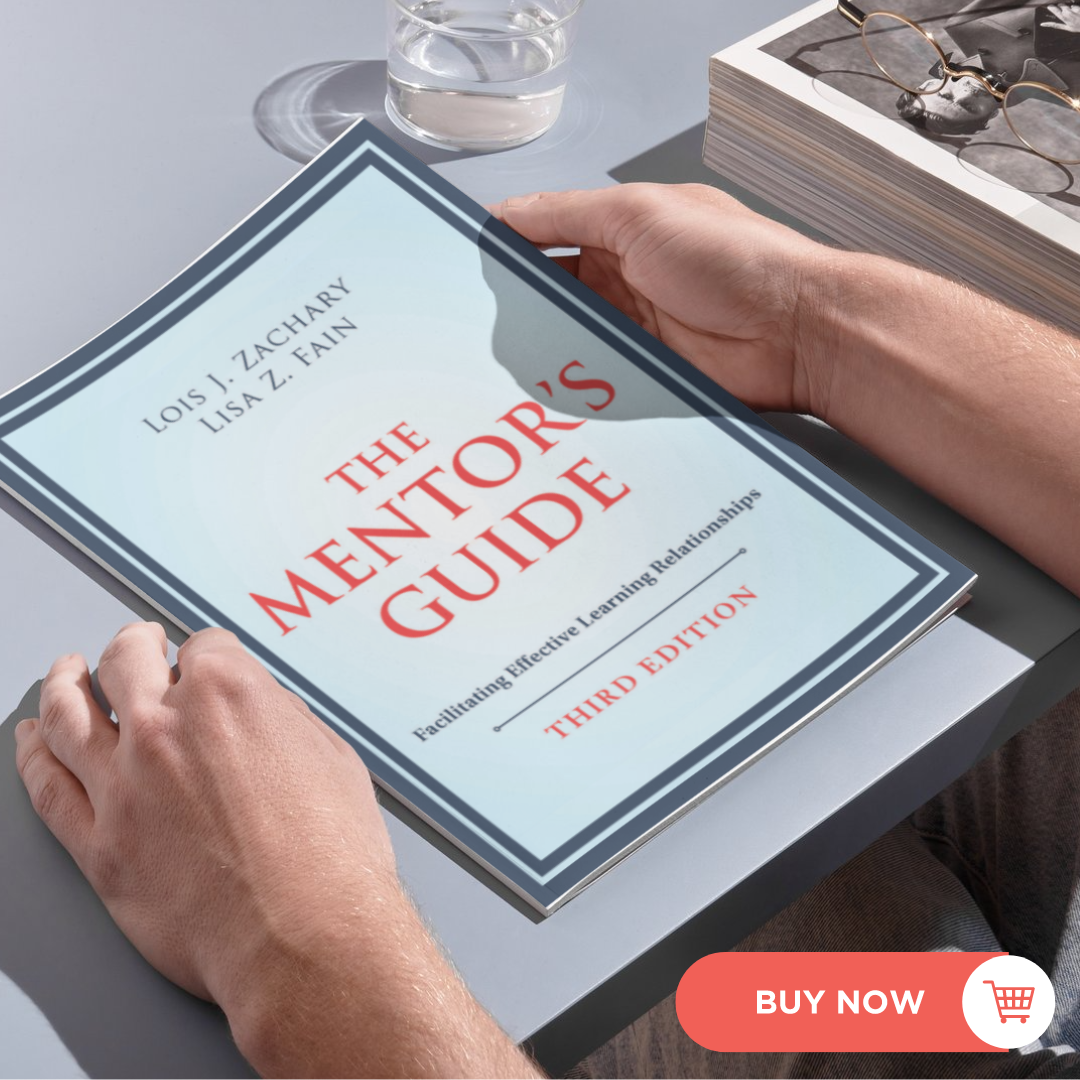
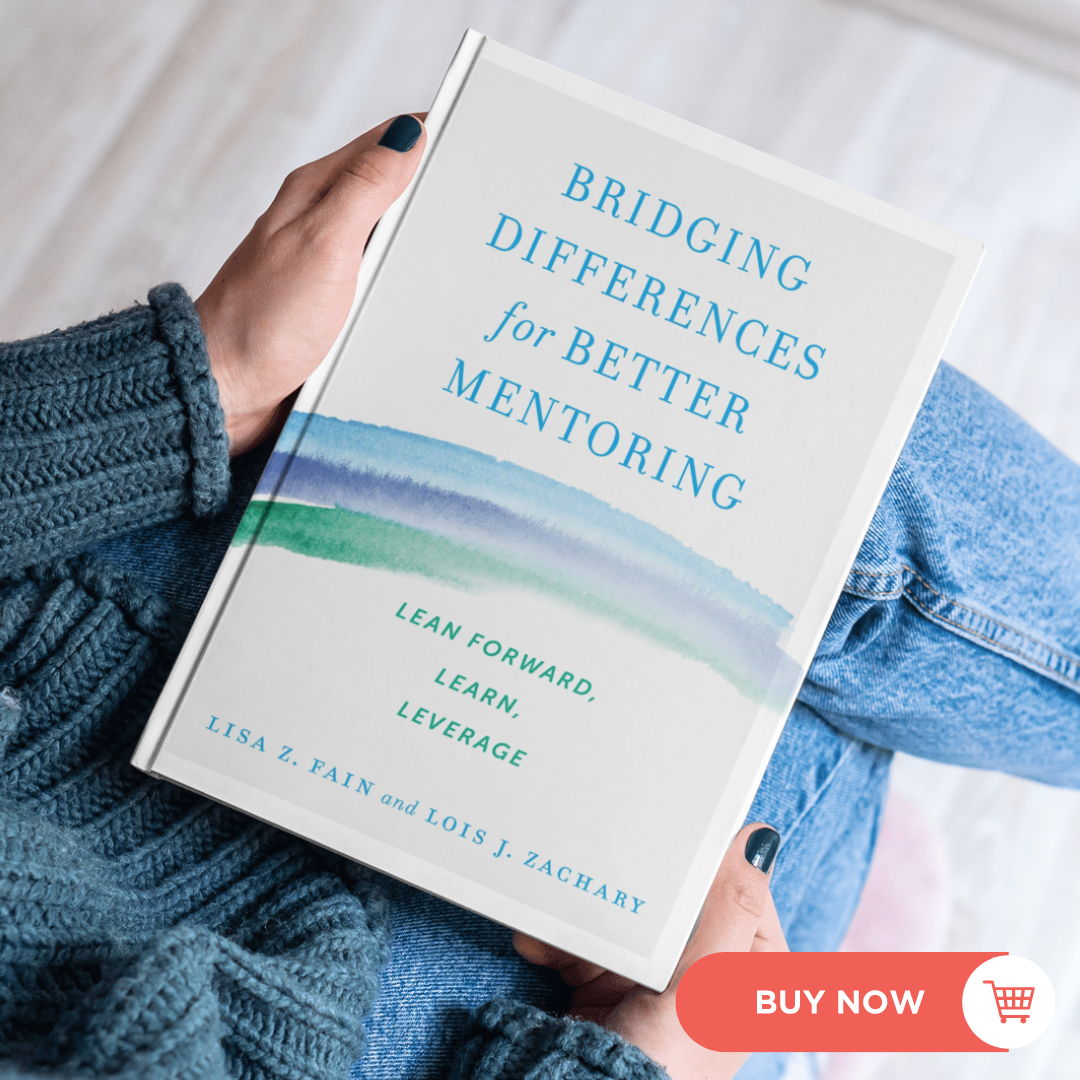
Dr. Lois J. Zachary and Lisa Fain are co-authors of the recently released book Bridging Differences for Better Mentoring, from Berrett-Koehler Publishers.

Mentorship and the importance of Story.

Mentorship and the Importance of Story. By: Sarah Haggard

I’ve always been a storyteller. Stories entertain. They make us laugh. They make us cry. They remind us of our humanness, and leave us feeling raw and inspired all at once. They are the keepers of ancient wisdom, our legacy, and cultures all around the world. Stories hold tremendous power. We’ve all walked out of a movie hiding tears of sorrow at a story well told. Binged a Netflix series or finished a good book, and mourned it’s end. Our souls deeply moved, called into action.

So what does storytelling have to do with mentorship?

The origin of the word mentor comes from one of the great stories ever told, Odysseys. Mentor was Odysseys “wise and trusted advisor.” Today, mentors are in more demand than ever. We all want a sage advisor to turn to when the going gets tough. The challenge is, wisdom isn’t gained in the classroom nor in the boardroom; the places we most often look to for mentorship. Wisdom is gained from lived experiences, which are best told through stories.

Our age and years’ experience isn’t the sole indicator of wisdom either.

Some of us have lived a few lives over by the time we reach our twenties. While others are lucky enough to life a life of ease, privilege and stability. The truth is we’re only expert in our own life experiences, knowledge comes and goes. I lost my Mom at age 27. I mentor women in their 40s, 50s and 60s dealing with the loss of a parent because I understand grief, having lived through it. Developing the ability to narrate our life experiences using story is key to being able to mentor, or be a “wise and trusted advisor” for others.

So what can you do to become a wise and trusted advisor for someone else? The first step is to know your story. Here are five ways you can get started today.

1. Make a lifeline chart, plotting out the high and low moments in your life.

2. Make a list of common themes that emerge from that timeline.

3. Write your story, highlighting those key themes, in less than 1,000 words.

4. Practice telling your story.

5. Sign up to become a mentor, sharing your story and passion for mentoring others from your lived experiences.

In a world where mentors are in more demand than supply, getting to know your story is the greatest gift you can give someone else. It is also where you’ll find your greatest passion and purpose.

Sarah Haggard is the CEO and Founder of Tribute, a modern mentorship app for the workplace that connects employees together for mentorship through shared life experiences and stories. When not working, Sarah enjoys reading, writing, mentoring college students and spending time on her houseboat with friends and family in Seattle, WA.

Dealing With Impostor Syndrome When You’re Treated as an Impostor

By The New York Times Kristin Wong June 12, 2018

Impostor syndrome is not a unique feeling, but some researchers believe it hits minority groups harder.

Last May, I walked into a room of impeccably dressed journalists at a media event in Los Angeles. I tugged on my pilly cardigan and patted down my frizzy bangs.

When a waiter presented a tray of sliced cucumbers and prosciutto and asked, “Crudité?” I resisted the temptation to shove three of them into my mouth and instead smiled and replied, “No, thank you.” I was focused on the task at hand: pretending not to be a fraud among this crowd of professionals.

Ironically, I was at the event to interview someone about impostor syndrome.

The psychologists Pauline R. Clance and Suzanne A. Imes coined the term in 1978, describing it as “internal experience of intellectual phoniness in people who believe that they are not intelligent, capable or creative despite evidence of high achievement.” In other words, it’s that sinking sense that you are a fraud in your industry, role or position, regardless of your credibility, authority or accomplishments.

This is not a unique feeling, and it hits many of us at some point in our lives. But some researchers believe it hits minority groups harder, as a lack of representation can make minorities feel like outsiders, and discrimination creates even more stress and anxiety when coupled with impostorism, according to Kevin Cokley, a professor of educational psychology and African diaspora studies at the University of Texas at Austin.

Read the full article here.

Mentoring the Mentors: Advice and inspiration for working with startups

Posted by: Rick Turoczy (Originally published at siliconflorist.com on July 3, 2012)

Around the time PIE was starting the accelerator phase of this ongoing experiment, David Cohen, cofounder of TechStars, shared the TechStars Mentor Manifesto. And it served as an inspiration for me. A post by Micah Baldwin, a former TechStars mentor, provided a similar nudge for me.

I’m often reminded to go back and reread both of these posts and am inspired, again and again. So I thought I’d take the opportunity to augment the PIE mentor guidance a bit with some things that we’ve learned from observing PIE startups and mentors over the years.

We shared these tips with the PIE mentors and a few of them suggested we turn it into a blog post for the broader mentor community.

So we took that mentoring to heart.

If you’re thinking about becoming a mentor for startups — either in a formal accelerator program or independently — here are some tips for thinking about how to work with entrepreneurs.

Read on here for 10 tips for mentoring startups.

Managing a Small Business: Don’t Try to Run a Business Without Having a Mentor

By Paula Pant Posted: 10/16/14 Updated: 11/10/17

In addition to helping large Fortune 500 companies, #mentoring is beneficial to small businesses as well. For Entrepreneurs, There Are Some Questions You Just Can’t Research Online

You’d love to become your own boss. You’ve always dreamed of starting a cake business, running your own car dealership, or launching a consulting practice.

Lately, that dream has morphed into a plan. You’ve built some savings. You’ve carved out a home office. You have approval from your spouse.

But there’s one incredibly important piece of the puzzle that you may be lacking: a mentor.

Why a Mentor?
You can read all the books about writing business plans, managing self-employment taxes and filing LLC paperwork. You can study the biographies of the leaders in your field. But unless you have a trustworthy person who can provide direct feedback that’s unique to your situation, you won’t be able to improve as quickly or as well.

Mentoring is essential in any field. If you’re a software programmer, meet with your mentor monthly to ask whether you should stick with JavaScript or learn Ruby on Rails. If you’re a professional writer, send your mentor one article per month and ask for feedback on style and tone. If you flip houses, show your mentor your operating budget and request advice on how to manage contractors.

So where can you find a mentor? To read the rest of this article click here.

Your Mentoring Year, Recap

You’ve come so far in your mentor/mentee relationship! Take a breath and take a look at all you’ve accomplished over the past 12 months.

Do you remember where you began a year ago? What was the quality and tone of that relationship then? What were your goals and visions?

Where are you now…and even more exciting, Where are you headed for the next 12 months?

Next month we begin a whole new series of tips! So, dream, journal and wonder at your next level…and stay tuned for more.